Discover the mythology behind Navratri fasting traditions.
8 min read
June 10, 2024
The Nine Nights of Shakti: The Navratri Fasting Story
The Mahishasura Mardini: How Goddess Durga's Fast Created Victory
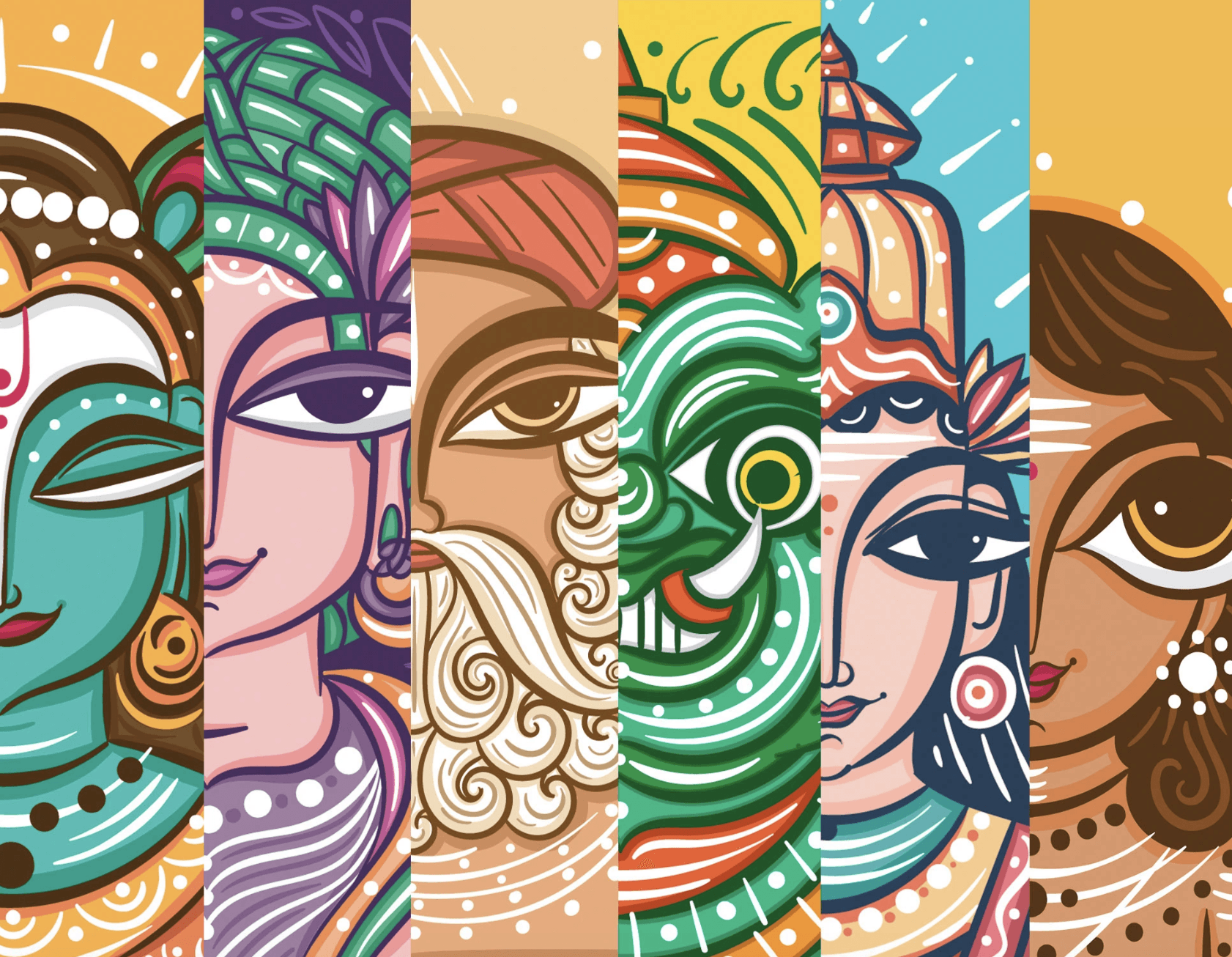
Picture this: the heavens are in chaos. A demon named Mahishasura, granted near-invincibility by Lord Brahma himself, has conquered the celestial realms. The gods—Brahma, Vishnu, Shiva—realize that no male deity can defeat him. In their desperation, they do something unprecedented: they combine their divine energies to create Shakti, the Supreme Goddess, in the form of Durga.
But even a goddess needs preparation for such a battle.
For nine nights and nine days, Durga meditated, fasted, and gathered her strength. Each night, she invoked a different aspect of her power—courage, wisdom, compassion, fierceness. She didn't eat. She didn't sleep. She focused every ounce of her being on the battle ahead.
On the tenth day—Vijayadashami—she emerged transformed. The battle was fierce, but Durga prevailed, striking down Mahishasura and restoring cosmic balance. Victory came not from her weapons alone, but from the spiritual power she had cultivated through those nine days of austerity.
Why Hindus Fast During Navratri: The Spiritual Meaning
When Hindus fast during Navratri, they're not just remembering this story—they're reliving it. Each of us has our own Mahishasura to defeat: our ego, our bad habits, our inner demons. The nine nights aren't about punishment or deprivation. They're about cultivating the same focused energy that Durga summoned.
The First Three Days: Dedicated to Durga, representing the destruction of impurities—both physical and mental. Fasters abstain from grains, eating only fruits, milk, and specific sattvic foods. The body begins its cleanse.
The Middle Three Days: Dedicated to Lakshmi, representing the creation of prosperity and positive qualities. By now, the body has adjusted. Energy shifts. Mental clarity emerges.
The Final Three Days: Dedicated to Saraswati, representing knowledge and wisdom. The mind sharpens. This is when devotees report their deepest spiritual experiences—the moments of insight that make the entire fast worthwhile.
Your grandmother wasn't being superstitious when she insisted on no table salt during Navratri. Salt represents attachment to the material world. Avoiding it, along with grains and certain spices, creates a state of lightness—physically and spiritually. Science now confirms what the ancients knew: these foods affect our gut microbiome, our inflammation levels, our mental state.
The mythology gave us the why. The tradition refined the how. And millions still practice it because, somewhere deep down, they feel what Durga felt: the power that comes from restraint.

What Ancient Fasting Mythology Means for Modern India
My mother who fast during Navratri isn't just following tradition - they are channeling Durga's strength. She's proving to herself, one day at a time, that she's stronger than her cravings, her comfort, her habits.
The mythology isn't subtle: when you fast, you're not the same person. Something shifts. The science calls it metabolic switching, autophagy, neuroplasticity. The ancients called it purification, enlightenment, divine grace.
Frequently Asked Question:
Why do Hindus avoid salt during Navratri fasting?
Salt (especially table salt/sodium chloride) is avoided during Navratri because it represents attachment to material pleasures. The practice creates physical lightness and enhances the spiritual experience of the fast.
How Fasting Mythology Lives in You
In modern India, these practices haven't faded—they've evolved. Your grandmother's Navratri fast helped her feel connected to divine feminine energy. Your version might be about reclaiming your metabolic health while honoring that same tradition.
These aren't just stories. They're the accumulated wisdom of millions of fasters across millennia, distilled into narrative form. They're the operating system that makes the hardware of fasting actually work.
Because here's the truth modern science is only beginning to understand: the mind and body aren't separate. The story you tell yourself about why you're fasting—whether it's Durga's battle, Muhammad's revelation, or Mahavira's liberation—that story changes your biology.
Belief creates biochemistry. Mythology becomes metabolism.
And that's why, thousands of years later, millions still fast. Not because they're blindly following tradition, but because the mythology gave them a reason to start—and the experience gave them a reason to continue.
But you do need a story. A reason. A mythology of your own.
Maybe your mythology is about reclaiming your health. Maybe it's about proving to yourself that you're not controlled by cravings. Maybe it's about honoring your ancestors while building your future.
Whatever your story is, know this: you're not the first person to feel this hunger. You're not the first to question if you can make it through. You're not the first to wonder if it's worth it.
Millions have walked this path before you. They left you their stories as guideposts. They left you their wisdom as inheritance.
The mythology of fasting isn't about gods and demons.
It's about you, discovering what you're capable of when you stop feeding your body and start feeding your spirit.

Varun Jhawar
Founder