Every wondered what drives millions to fast from dawn to dusk during Ramadan?
7 min
29/01/26
Ramadan Fasting: The Month That Tests Your Soul
Prophet Muhammad's Revelation: A Night in the Cave of Hira
In the year 610 CE, a forty-year-old merchant named Muhammad sought solitude in a cave on Mount Hira, just outside Mecca. He had a habit of retreating there during the month of Ramadan—a month already considered sacred in pre-Islamic Arabia, when people would engage in spiritual reflection and charitable acts.
Muhammad had been meditating and fasting for days when something extraordinary happened.
The angel Jibreel (Gabriel) appeared before him with a command: "Iqra!"—Read! Muhammad, who couldn't read or write, was overwhelmed. Three times the angel embraced him, each time repeating the command, until the first verses of the Quran poured forth:
"Read in the name of your Lord who created—created man from a clinging substance. Read, and your Lord is the most Generous—who taught by the pen—taught man that which he knew not."
This wasn't just any night. This was Laylat al-Qadr—the Night of Power—considered better than a thousand months. And it happened during a fast.
Why Muslims Fast During Ramadan: The Wisdom in Hunger
When Allah prescribed fasting for the month of Ramadan, it wasn't punishment. It was preparation. The Quran states:
"O you who have believed, decreed upon you is fasting as it was decreed upon those before you, that you may become righteous."
Ramadan fasting is different from other fasts. It's not about eating less—it's about experiencing nothing. From Fajr (dawn) until Maghrib (sunset), not a drop of water touches the lips. In the scorching heat of Indian summers, where Ramadan often falls, this is no small feat.
But here's what the mythology teaches: Muhammad received divine revelation while fasting because his body was quiet enough to hear it. When you're not thinking about your next meal, when hunger has stripped away the trivial concerns, when thirst has sharpened your focus—that's when spiritual truth can break through.
The Three Stages of Ramadan Fasting: Mercy, Forgiveness, and Freedom
Islamic tradition divides Ramadan into three stages, each with its own mythology and meaning:
The First Ten Days - Mercy (Rahmah):
These are the days when Muslims seek Allah's mercy. The body is adjusting, hunger is sharp, and every moment feels difficult. But this is when compassion develops—not just for yourself, but for every person who goes hungry not by choice. Your privilege becomes impossible to ignore.
The Prophet Muhammad said: "When Ramadan begins, the gates of Paradise are opened, the gates of Hell are closed, and the devils are chained." The mythology suggests that during this month, your higher self has a fighting chance. The whispers that usually lead you astray are silenced.
The Middle Ten Days - Forgiveness (Maghfirah):
By now, the body has adapted. The hunger is still there, but it's different—manageable, almost familiar. Muslims use this time to seek forgiveness for their sins. There's a deep psychology here: when you prove to yourself that you can control your most basic urges—eating and drinking—you start to believe you can control anything. Past mistakes feel surmountable. Change feels possible.
The Final Ten Days - Freedom from Hell (Nijat):
The most sacred period. These nights include Laylat al-Qadr, when the Quran was revealed. Many Muslims spend entire nights in prayer, seeking the same divine connection that Muhammad experienced. The fast has become second nature. The spiritual state achieved is unlike anything else in the year.
Breaking the Fast: The Spiritual Meaning of Iftar
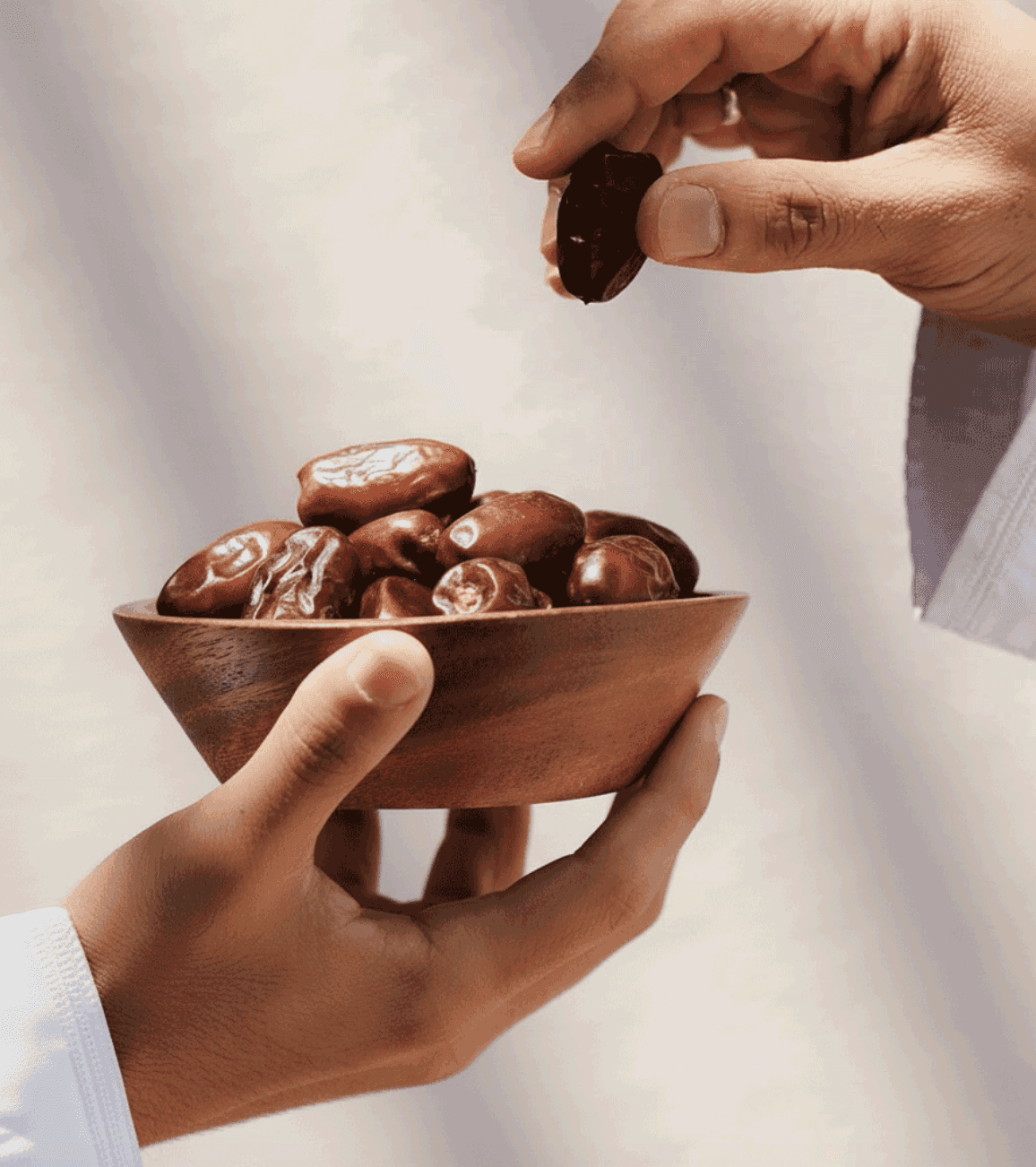
There's a reason why breaking the fast—Iftar—has such ritualistic importance. The Prophet Muhammad broke his fast with dates and water, so Muslims worldwide do the same. But it's more than tradition.
After hours without food or water, that first date—sweet, soft, instantly energizing—tastes like grace itself. The water that follows feels like life returning. In that moment, fasters understand abundance. They understand gratitude. They understand that every meal is a gift.
The mythology says that every prayer made at the moment of breaking fast is accepted by Allah. Science might explain it differently—that the endorphins released, the blood sugar spike, the dopamine rush creates a state of heightened emotion. But the faithful know: there's something transcendent about that moment when hunger ends and gratitude begins.
Why Indian Fasting Traditions Still Matter Today
The young professional observing Ramadan in a Bangalore tech office is doing exactly what his ancestors did—creating a monthly reset, a forced pause, a reminder that he's more than his productivity and consumption. When the afternoon thirst becomes unbearable during Ramadan, the story reminds you: "Muhammad received the Quran in this state. What might you receive?"
These aren't just stories. They're the accumulated wisdom of millions of fasters across millennia, distilled into narrative form. They're the operating system that makes the hardware of fasting actually work. Our ancestors didn't tell these tales to indoctrinate—they told them to preserve.Hidden in Muhammad's revelation is the understanding of how hunger sharpens the mind.
Because here's the truth modern science is only beginning to understand: the mind and body aren't separate. The story you tell yourself about why you're fasting—whether it's Durga's battle, Muhammad's revelation, or Mahavira's liberation—that story changes your biology.
And that's why, thousands of years later, millions still fast. Not because they're blindly following tradition, but because the mythology gave them a reason to start—and the experience gave them a reason to continue.
You too need a story. A reason. A mythology of your own.
Maybe your mythology is about reclaiming your health. Maybe it's about proving to yourself that you're not just about your current wants. Maybe it's about honoring your ancestors while building your future.
Whatever your story is, know this: you're not the first person to feel this hunger. You're not the first to question if you can make it through. You're not the first to wonder if it's worth it.
The mythology of fasting isn't about gods and demons.
It's about you, discovering what you're capable of when you stop feeding your body and start feeding your spirit.

Calude A
Culture and Science